Choosing between a layered haircut and a non layered haircut is one of the most common decisions people face at the salon. Both styles have their place.
Both work beautifully on the right person. But they are not the same — and the difference matters more than most people think.
This guide breaks down everything in plain, simple terms so you can walk into your next appointment knowing exactly what you want.
What Are Layered Haircuts
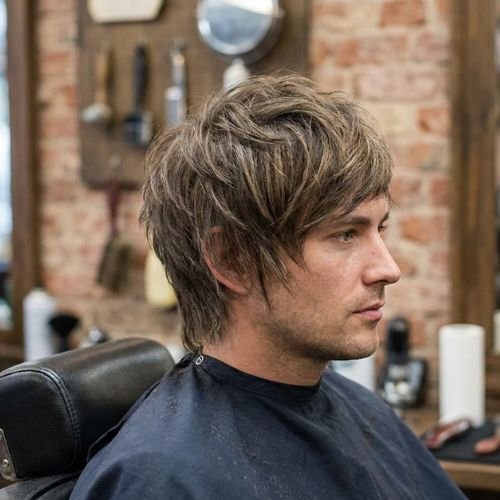
A layered haircut means the hair is cut at different lengths throughout. The top sections are cut shorter. The bottom sections stay longer. This creates movement, volume, and shape.
When you run your fingers through layered hair, you feel the difference in length between sections. Each layer sits on top of the next, creating a flowing, textured look.
Layers work by removing weight from the hair. Less weight means more bounce, more body, and better shape — especially for people with thick or heavy hair.
What Is Non Layered Hair
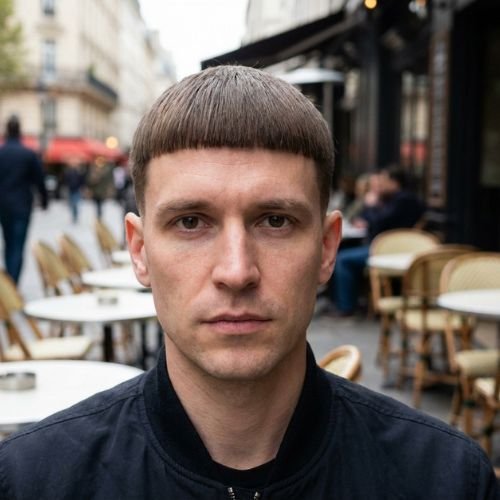
Non layered hair — also called a blunt cut — means all the hair is cut to the same length. Whether it is a bob, a straight cut, or a one-length style, the ends line up evenly.
Blunt cuts look clean, sharp, and polished. They add visual thickness to the hair because all the ends sit together at the same point. This makes thin hair look fuller and more dense.
Non layered hair is low maintenance in some ways. There are fewer sections to style. But it can also feel heavy if the hair is very thick.
Exude timeless wealth with low versus mid faded side styles reflecting elite heritage charm.
Layered Haircuts vs Non Layered: The Core Differences
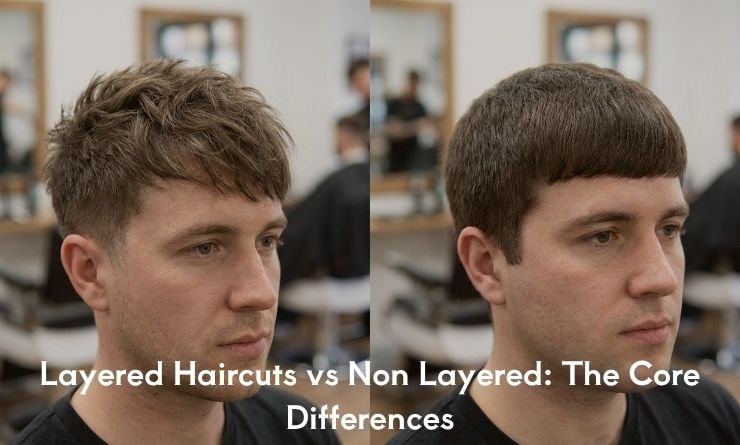
Volume and Body Layered hair has more natural volume. The layers lift away from the head and create movement. Non layered hair sits flatter but looks thicker at the ends.
Texture and Movement Layers add texture. The hair moves freely because different lengths catch air differently. Blunt cuts move as one solid unit — sleek and smooth.
Maintenance Layered cuts need more frequent trims to keep the shape clean. Non layered cuts hold their shape longer and are easier to maintain between salon visits.
Styling Time Layered hair often styles itself with minimal effort. The shape is built into the cut. Blunt cuts require more product or heat styling to add dimension.
Face Framing Layers around the face soften features. They draw attention to cheekbones and eyes. Blunt cuts frame the face with a bold, strong line.
Layered Hair vs Non Layered Hair Male
For men, layered cuts work well for medium to longer hair. Layers add texture and movement to styles like curtain bangs, shag cuts, or longer surfer-style hair.
Non layered cuts suit shorter styles like buzz cuts, crew cuts, and clean fades. These styles do not need layering because the length is already uniform throughout.
Men with thick hair benefit most from layers. Removing weight makes the hair easier to manage and style. Men with thin hair often look better with a blunt cut that adds the appearance of fullness.
Exude timeless wealth with tapered versus faded clean side styles reflecting elite heritage charm.
Layered Haircuts vs Non Layered Straight Hair
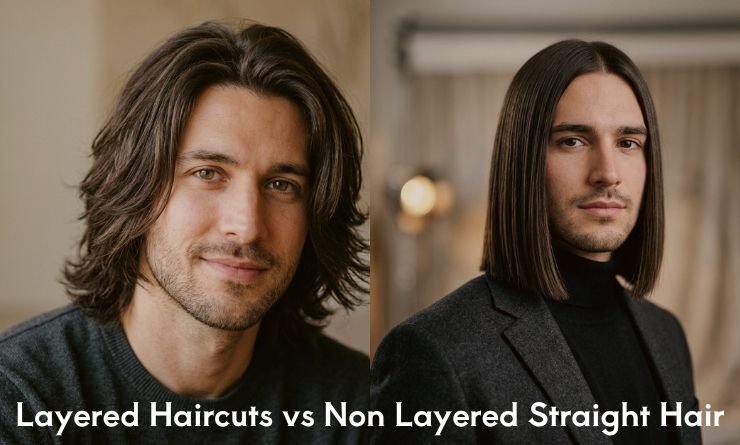
Straight hair shows the difference between layered and non layered most clearly. Because straight hair has no natural curl or wave, every cut decision is highly visible.
A blunt cut on straight hair looks sharp and intentional. It is classic and clean. Many straight-haired people choose this look specifically because it shows off the health and shine of their hair.
Layered straight hair gets movement and lightness that a blunt cut cannot provide. Without layers, thick straight hair can feel like a heavy curtain. Layers break that weight up and let the hair breathe.
For thin straight hair, a blunt cut is usually the better choice. Cutting layers into thin hair can make it look stringy or sparse at the ends.
Layered Haircuts vs Non Layered Medium Length Hair
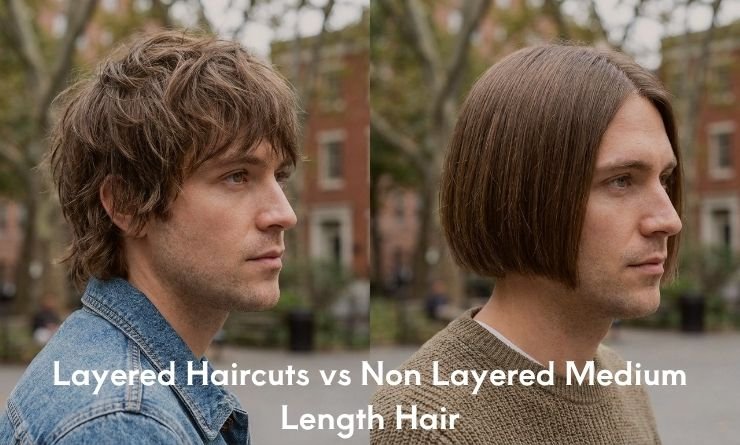
Medium length hair — roughly shoulder length to just below the collarbone — sits in the sweet spot where both cuts perform well.
At this length, layered cuts create beautiful shape. The layers cascade from chin level down to the ends, adding dimension and preventing the hair from looking flat. Face-framing layers at this length are particularly flattering.
Non layered medium hair looks sleek and put-together. It suits people who prefer a cleaner, more minimal aesthetic. It also works well for people who regularly wear their hair up, since layers can make updos harder to manage.
Layered Haircuts vs Non Layered Curly Hair
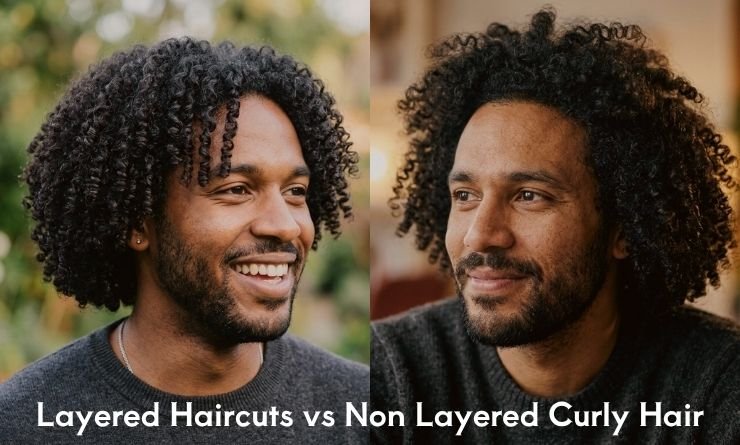
Curly hair responds differently to both cuts than straight hair does.
Layers on curly hair define the curl pattern. Each layer springs up individually, creating a rounder, bouncier shape. Without layers, curly hair often grows into a triangular shape — wider at the bottom than the top.
Non layered curly hair can look heavy and weighed down. The weight of the length pulls the curls loose, reducing their definition and bounce.
For most curly hair types, layers are strongly recommended. The Deva Cut — a popular curly hair cutting method — is built entirely around layering. Curls need weight removed to perform at their best.
The exception is very fine or loosely wavy curly hair. In these cases, a blunt cut sometimes adds enough weight to enhance the wave pattern rather than flatten it.
How to Choose Between Layered and Non Layered
Thick hair benefits from layers that remove weight and reduce bulk. Thin hair looks fuller and denser with a clean blunt cut.
Curly and wavy hair almost always performs better with layers. Straight hair can work well either way depending on thickness and personal preference.
People who prefer a wash-and-go routine get more natural shape from layered cuts with less daily effort. Those who like a sleek, polished finish usually find blunt cuts easier to maintain.
Short hair rarely needs layering. Medium and long hair benefits most from thoughtful layering that adds shape and movement.
Exude timeless wealth with sporty military versus elite preppy cuts reflecting elite heritage charm.
Final Thought
There is no universal winner between layered haircuts vs non layered. The right choice depends on your hair type, texture, thickness, and personal style. A good stylist will assess all of these factors and guide you toward the cut that works best for your specific hair.
Understanding the difference between the two puts you in control of that conversation — and that always leads to a better result.